
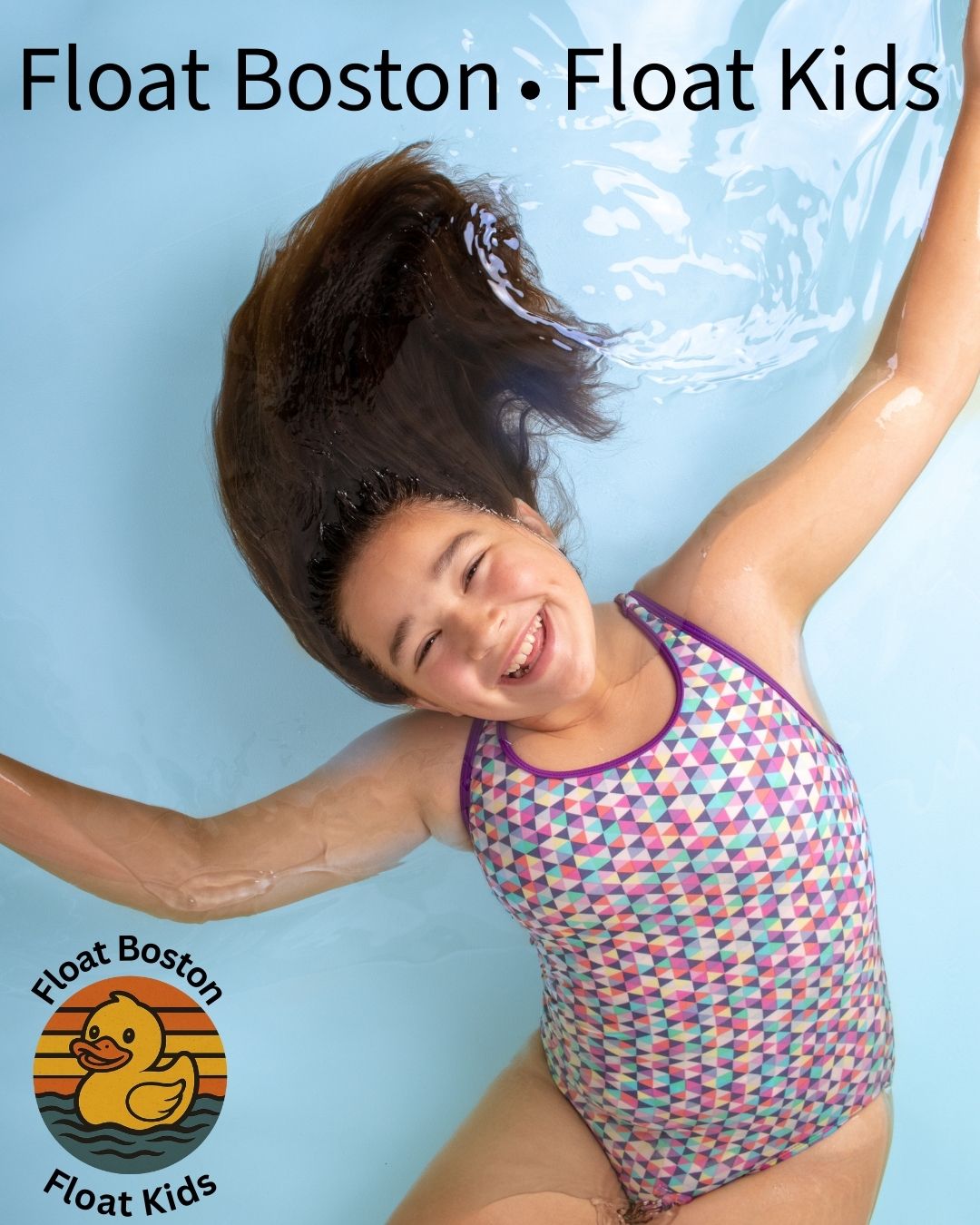
Floating for Kids: Why We’re Exploring It — and Why It Matters
When most people think of float therapy, they picture adults escaping stress, noise, and packed schedules. But over time, we’ve noticed something else too — kids responding in powerful, meaningful ways to quiet, weightless space.
As we explore what floating could look like when designed intentionally for kids, we want to share why this idea matters to us, what we’ve learned so far, and why parent input is an important part of shaping what comes next.
Is Floating Safe for Kids?
Yes — floating is safe for kids when done thoughtfully and under proper supervision.
The water in a float tank is only about 10–11 inches deep and contains enough Epsom salt to make anyone — even a wiggly child — effortlessly buoyant. Our float rooms are private, and every tank is thoroughly cleaned and filtered after each session. Parents are always welcome to remain nearby, especially for a child’s first float.
We typically recommend floating for children ages 8 and up, as younger kids may not yet have the patience to enjoy the experience. That said, every child is different. Some take to floating immediately, while others prefer shorter or more guided first sessions.
Why Kids May Benefit from Floating
1. Stress Relief in a Busy World
Today’s kids carry more than we often realize — school demands, packed schedules, extracurriculars, social pressure, and constant stimulation. Floating offers a rare moment of complete quiet, where there are no screens, no expectations, and no performance required. For many kids, it acts as a gentle reset for both mind and body.
2. Better Sleep
Parents often tell us their children sleep more deeply after floating. By calming the nervous system and encouraging relaxation, floating may help support healthier sleep patterns — making bedtime smoother and mornings a little easier.
3. Support for Sports & Activity Recovery
For active kids — whether they’re playing soccer, dancing, swimming, or training for competitions — floating can help muscles recover by reducing tension and supporting circulation. It’s a gentle, low-impact way to support growing bodies.
4. Focus & Mental Clarity
By reducing stress and calming the nervous system, floating may help kids feel more centered and focused. Many parents notice improved emotional regulation and mental clarity that carries over into school and daily life.
5. Magnesium Support
Float tanks are filled with Epsom salt, which is rich in magnesium — a mineral involved in hundreds of processes in the body, including muscle function, mood regulation, and energy production. While experiences vary, magnesium exposure is often cited as one of floating’s added benefits.
How to Introduce Kids to Floating
When kids float, we encourage a relaxed, pressure-free approach.
Start shorter
We recommend beginning with a 60-minute session and letting kids know it’s perfectly okay if they don’t float the entire time. Many adults don’t make it the full session on their first visit either.
Make it comfortable
Kids are welcome to explore the room and tank beforehand so they know what to expect. We offer calming meditation music, and parents can also send us music their child finds soothing.
Stay nearby
Many children feel most comfortable in our Sky tanks, which include soft lighting and star visuals. These rooms allow parents to stay close if needed. If a child is comfortable floating independently, parents can relax nearby or enjoy one of our massage chairs during the session.
Talk about the experience
Afterward, we encourage parents to ask what their child noticed, how it felt, and whether they’d like to try again. Floating is a personal experience, and each child responds in their own way.
Why We’re Revisiting This Now
Over the years, more parents have asked us about floating for their kids — not as entertainment, but as a way to support calm, sleep, focus, and overall well-being. As schedules get busier and stimulation becomes constant, we believe learning how to slow down is becoming just as important as learning how to keep up.
Before creating anything new, we want to do this thoughtfully and with intention — and that starts with listening.
We’d Love Your Input
We’re currently exploring the idea of kid-focused float sessions and want to build them responsibly, with parent feedback guiding the process.
If you’re a parent, your perspective matters. Take our short survey and help shape what Float Kids could become.
Have questions in the meantime?
You can call or text us at 617-875-0725 or email info@floatboston.com.
Floating isn’t just for adults navigating busy lives. For kids, it may offer something increasingly rare — a quiet moment in a noisy world, and a gentle way to learn how to relax.